If you look back at how real estate projects were marketed in Pakistan even a decade ago, it’s a completely different landscape. Printed brochures, roadside billboards, and the occasional newspaper ad did most of the heavy lifting. Buyers relied on artist impressions and a fair bit of trust in the developer’s word. Today, that same buyer expects to explore a project on their phone, in detail, before ever picking up the phone to call a sales office. The shift didn’t happen overnight, but looking at where things started makes it clear just how far the industry has come, largely driven by 3D rendering services in Pakistan becoming mainstream rather than a luxury few could afford.
The Brochure Era
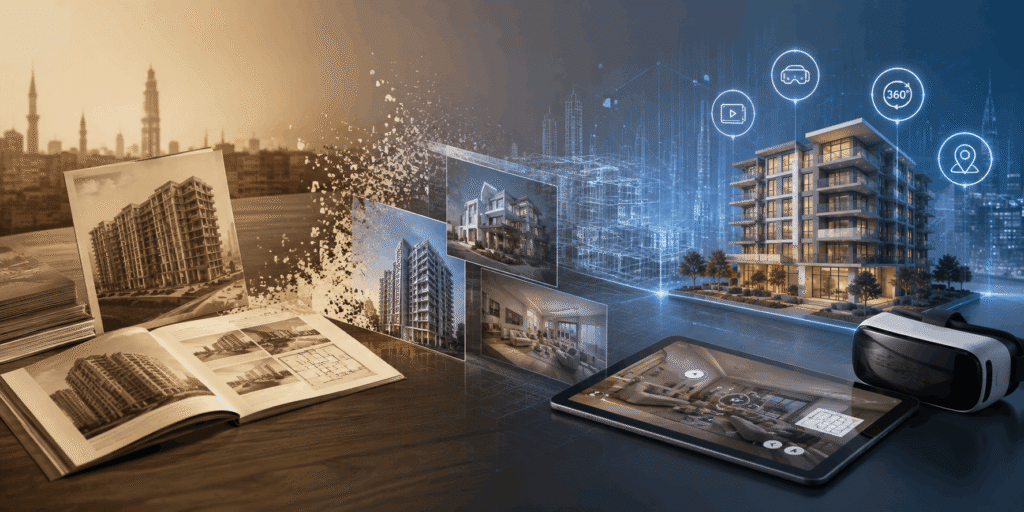
For a long time, a printed brochure was the primary sales tool for any development. It carried the floor plans, a few illustrated renderings if the budget allowed, and enough persuasive language to get a buyer interested enough to visit in person. This worked reasonably well when buyers had fewer options and less access to information. But it also meant a lot was left to the imagination, and buyers often didn’t fully understand what they were purchasing until well after signing.
The Shift Toward Digital-First Selling
As internet access grew and buyers, especially younger ones, started doing more research online before ever contacting a developer, the marketing approach had to change too. Projects moved from print-first to digital-first, with websites, social media pages, and property portals becoming the primary discovery point. This is also when working with a dedicated property marketing agency in Pakistan started becoming standard practice rather than an afterthought, since digital marketing required a different skill set than traditional print advertising ever did.
Renders Replace Illustrations
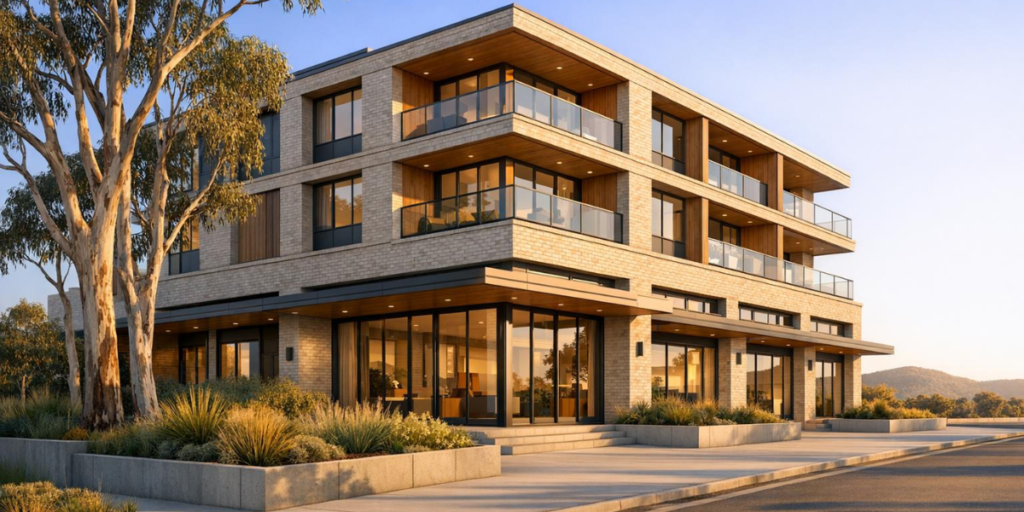
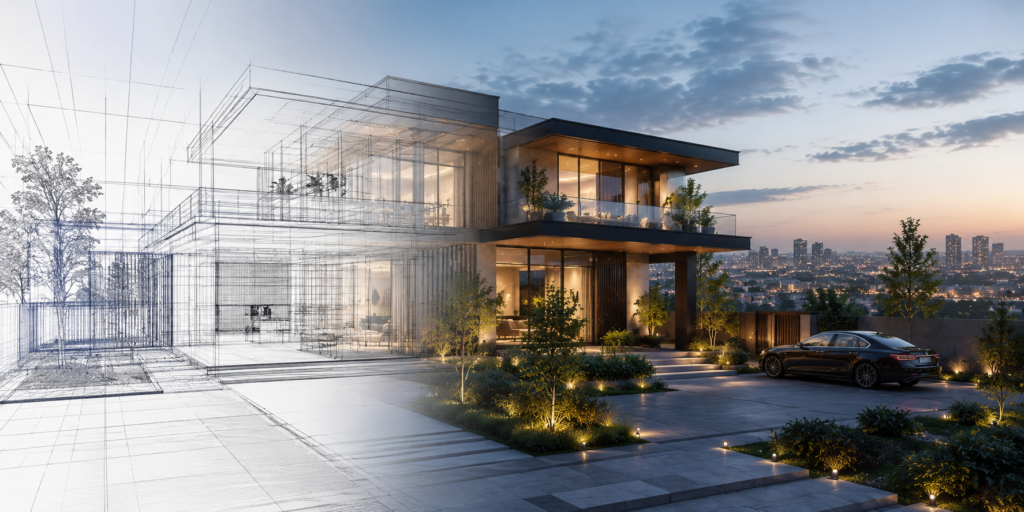
One of the more noticeable shifts has been the move away from painted or illustrated concepts toward photorealistic 3D renders. Illustrations were always somewhat abstract, buyers understood they were looking at an approximation, not the real thing. Renders changed that expectation entirely. Suddenly buyers could see lighting, material textures, and spatial proportions with a level of accuracy that made the property feel tangible, even years before construction would be complete. That single shift did more to change buyer expectations than almost anything else in the industry’s recent history.
From Static Images to Immersive Experiences
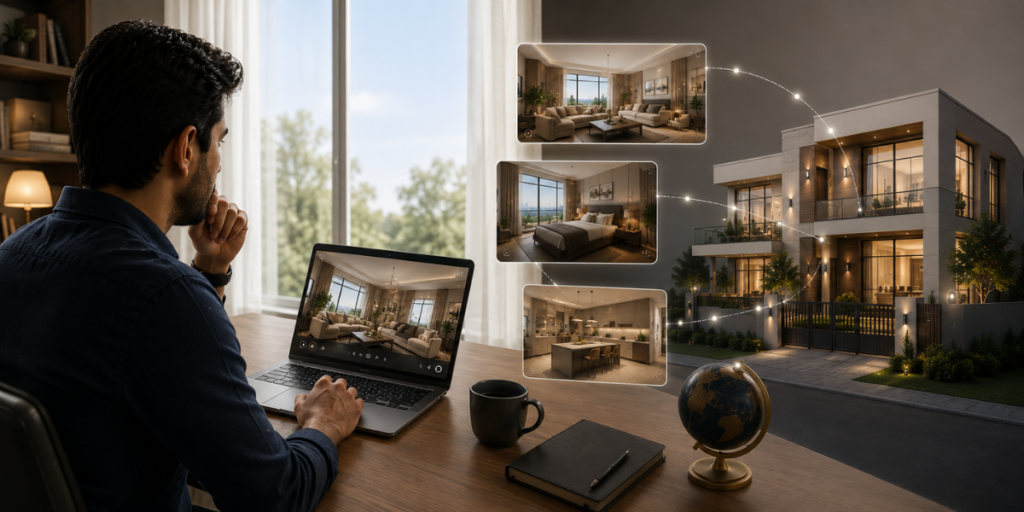
The next step in this evolution has been movement, quite literally. Static renders, while useful, still leave a buyer imagining how spaces connect to one another. Walkthroughs and virtual tours solved that by letting buyers move through a space rather than just looking at snapshots of it. This has been especially valuable for buyers who can’t visit a site easily, whether they’re located in another city or another country altogether, giving them a much clearer sense of scale and flow than any brochure ever could.
Branding Became Part of the Conversation
As competition between developments increased, it stopped being enough to just show a project well, developers needed the project to feel like a distinct, trustworthy brand. This is where a real estate branding agency in Pakistan often gets brought in early, shaping how a project is presented across every touchpoint, from the logo and color palette to the tone used in marketing material. A project with strong, consistent branding tends to stand out in a market where buyers are comparing dozens of similar-looking developments at once.
Where Things Are Headed Next
It’s hard to say exactly what the next stage of this evolution will look like, but the direction seems clear enough, more interactivity, more personalization, and less reliance on static formats altogether. What started as a printed brochure handed out at a sales office has turned into an entire ecosystem of visuals, tours, and branded content designed to build trust before a buyer ever sets foot on site. For an industry that moved slowly for a long time, the pace of change over the last several years has been hard to ignore, and there’s little reason to think it’s going to slow down anytime soon.