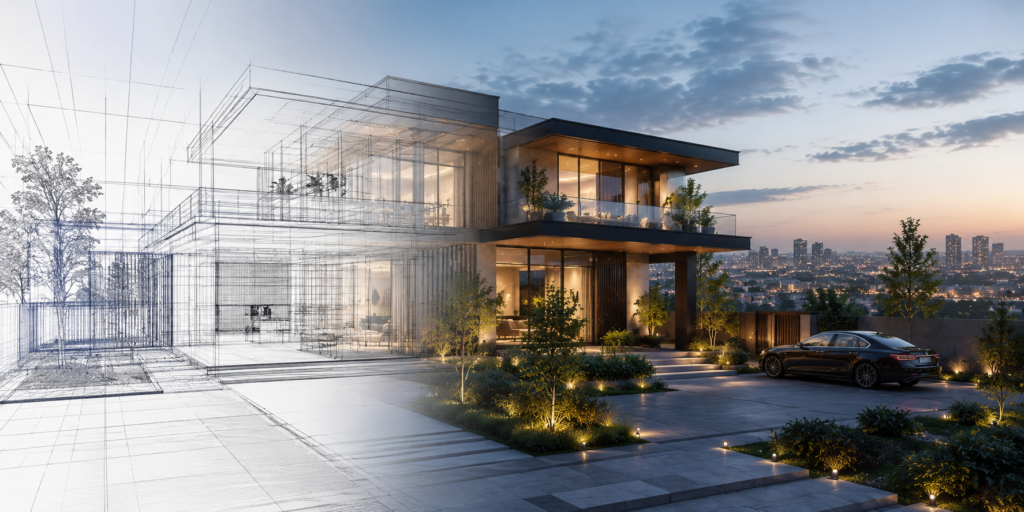
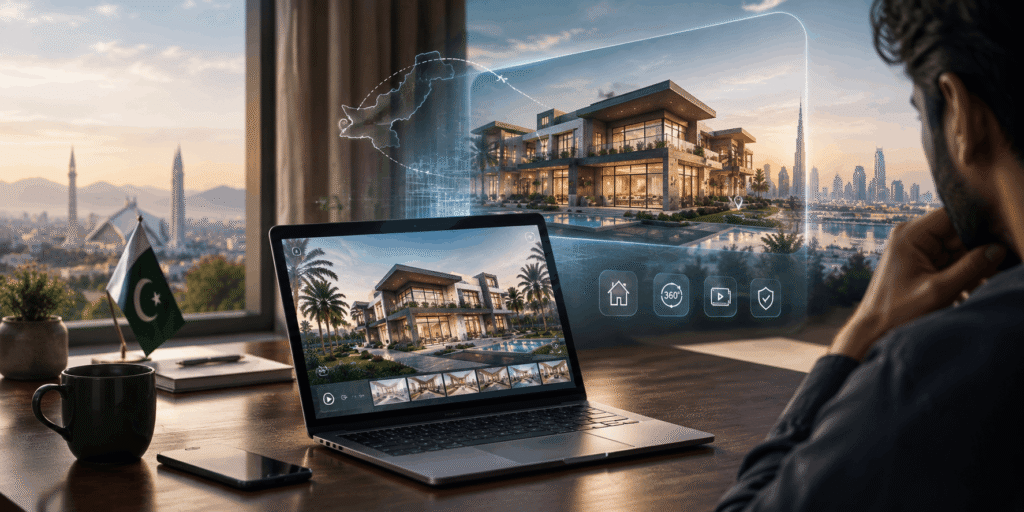
A few years ago, the idea of buying a house without ever walking through it would have sounded reckless to most people. Today, it’s becoming fairly normal, and not just among tech-savvy overseas buyers. More and more Pakistanis, both at home and abroad, are putting down deposits on properties they’ve only ever experienced through a screen. It’s a shift that’s easy to miss unless you’re paying close attention to how developers are actually selling projects these days, largely through architectural visualization services that make a property feel real long before it physically exists.
Why This Isn’t as Strange as It Sounds
Think about it this way: most of us already make big decisions based on visuals we trust. We book hotels we’ve never stayed in, order furniture we’ve never touched, and choose restaurants based on photos on a menu. Real estate is catching up to the same logic, just at a much higher stake. The difference now is that the visuals developers are producing have gotten good enough to actually support that level of trust. A buyer scrolling through a project on their phone can see finishes, layouts, and lighting with enough clarity that the leap of faith doesn’t feel like much of a leap anymore.
The Pre-Construction Buyer Is Becoming the Norm
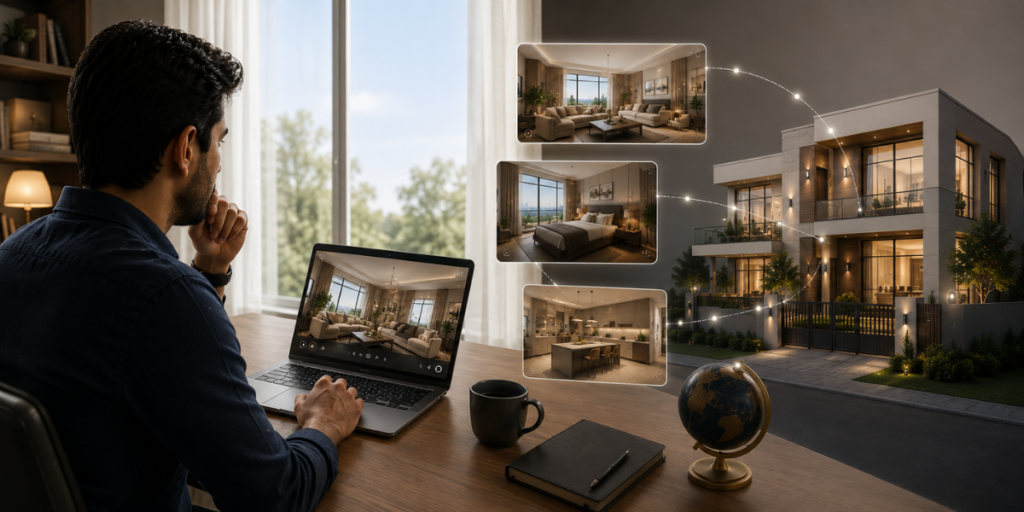
A growing number of units are being sold before a single wall goes up. Developers are marketing entire floors, sometimes entire towers, purely on renders and walkthroughs. And it’s working, buyers are comfortable enough with the format to commit early, often to get better pricing or preferred unit selection. For this to work, though, the visuals can’t just look decent, they have to be convincing enough that a buyer feels like they already know the space. That’s a big part of why realistic interior rendering in Pakistan has become such a heavily used tool for developers targeting early-stage sales, since interiors are usually what seal the emotional decision for a buyer.
The Trust Problem This Actually Solves
Pakistan’s real estate market has had its fair share of trust issues over the years, delayed handovers, projects that don’t match what was promised, and buyers who’ve learned to be cautious. Interestingly, high-quality visualization is helping address some of that, not by making bigger promises, but by making the promise more precise. When a buyer can see exactly what they’re paying for, down to the material finishes and the way light falls into a room, there’s a lot less room for disappointment later. It’s less about hype and more about clarity, and clarity tends to build trust faster than any sales pitch can.
Exteriors Still Do a Lot of the Convincing
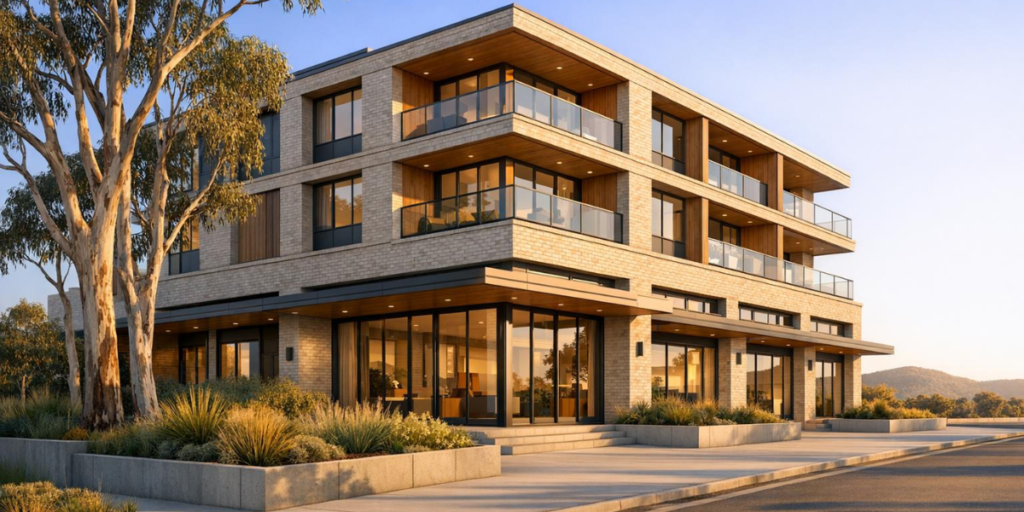
While interiors close the emotional gap, the exterior is still usually the first thing that catches a buyer’s attention, especially when a project is being shared on social media or through a broker’s listing. A striking exterior shot sets the tone before someone even scrolls further. This is why exterior rendering in Pakistan has become such a core part of a project’s early marketing push, it’s often the very first impression a buyer forms, and first impressions in real estate tend to stick.
What This Says About Where Buyers Are Headed
None of this means buyers have stopped caring about physical site visits altogether, plenty still want to see a show unit or visit the actual location before finalizing anything. But the starting point of the buying journey has clearly moved. People are making up their minds, or at least narrowing down their options, based entirely on visuals long before a physical visit ever happens. That shift changes what developers need to invest in early, and it changes what buyers expect to see the moment they start looking.
The Bigger Shift Underneath All This
What’s really happening here isn’t just about renders looking nicer than they used to. It’s a change in how much visual information buyers are willing to trust before committing real money. As that trust keeps growing, the properties that stand out won’t just be the ones with the best location or price, they’ll be the ones that made buyers feel like they already knew the space before they ever set foot in it. For a market moving this fast, that’s not a small thing to get right, it’s becoming the whole game.