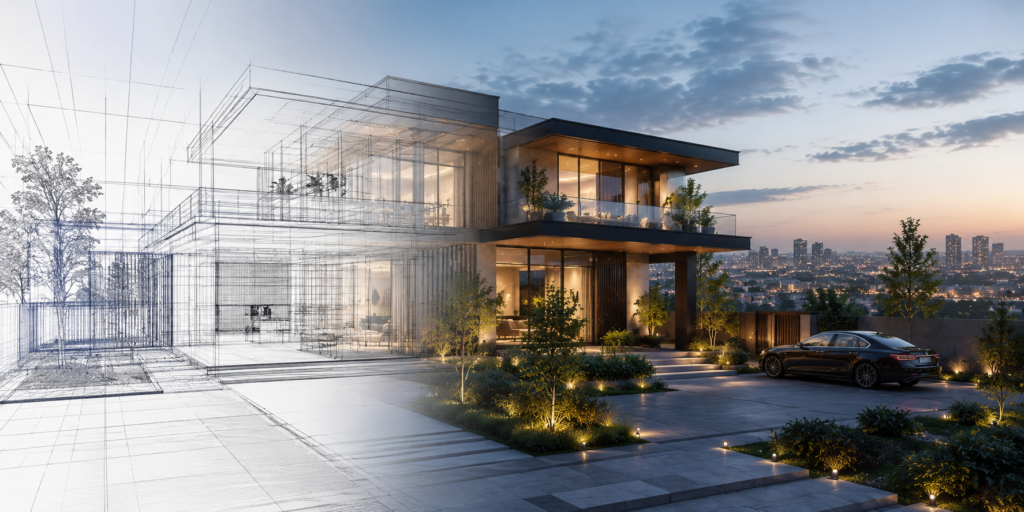
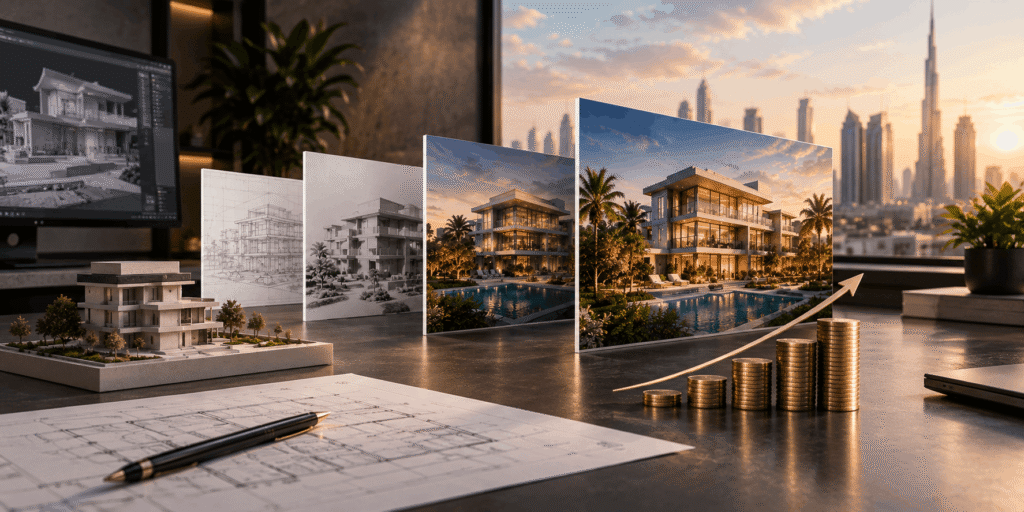
Every developer eventually asks the same question when reviewing their marketing budget: is visualization actually worth the spend, or is it just a cost that looks good on paper? It’s a fair question, especially when budgets are tight and every line item needs to justify itself. But when you actually break down what quality visuals do across a project’s lifecycle, from pre-sales to investor pitches to final handover, the return becomes a lot clearer than it first appears. Working with a 3D Architectural Visualization Company early on tends to pay for itself many times over, just not always in ways that show up on a single invoice.
It Starts With Faster Sales Cycles
The most direct return comes from how quickly units move once strong visuals are in place. Buyers today expect to see a property clearly before they commit, and when that expectation isn’t met, they simply hesitate or move on to a competing project that does show them what they’re buying. High-quality renders and walkthroughs shorten that hesitation window considerably. A buyer who can clearly picture the finished space is far more likely to make a decision quickly, which means fewer stalled conversations for the sales team and less time a unit sits unsold on the market.
Reducing Costly Design Changes Later
There’s a less obvious return that shows up earlier in the process, before a single unit is even marketed. Detailed visualization often reveals design or layout issues while a project is still on paper, long before those issues would otherwise surface on-site. Catching a proportion problem or an awkward room flow during the visualization stage is inexpensive to fix. Catching the same issue after construction has started is not. This alone can offset a significant portion of what a developer spends on visualization in the first place.
Stronger Investor and Stakeholder Confidence
Visualization also plays a quieter but important role in securing funding and stakeholder buy-in. Investors and financial partners are far more comfortable committing capital to a project they can actually see rather than one described purely through technical drawings and projections. This is where 3D interior design rendering services tend to make a real difference, giving stakeholders a tangible sense of the finished product’s quality and market positioning before any capital changes hands. A well-presented project simply inspires more confidence than one relying on plans and promises alone.
Marketing Assets That Work Harder, for Longer
Unlike a physical scale model or a one-time print campaign, high-quality visuals can be reused across nearly every marketing channel a developer has, websites, social media, sales presentations, and even short promotional videos. This flexibility adds up. A single well-executed set of renders can support months of campaigns without needing to be recreated, which stretches the marketing budget further than most developers initially expect. Even cinematic content built from the same visual assets, using something like cinematographic 3D animation, can extend a project’s reach into video-first platforms without requiring an entirely separate production budget.
Fewer Disputes, Fewer Post-Handover Headaches
Accurate visualization also reduces friction after the sale closes. When buyers know exactly what they purchased, because the renders reflected the final product closely, there’s far less room for disputes over finishes, layout, or overall quality. Fewer complaints mean less time and resources spent on resolving buyer dissatisfaction after handover, which is a cost most developers don’t factor into their original visualization budget but absolutely notice when it’s missing.
Looking at the Full Picture, Not Just the Upfront Cost
When developers weigh the cost of visualization against a single metric, like the price of one rendering package, the math can seem hard to justify. But when measured against faster sales, fewer design revisions, stronger investor confidence, reusable marketing assets, and fewer post-handover disputes, the picture looks very different. High-quality visualization isn’t really a marketing expense in the traditional sense, it’s closer to a risk-reduction tool that happens to also make a project look great. For developers still treating it as an optional add-on, that’s usually the point where the real cost of skipping it starts to show up elsewhere.