For decades, buying property in Pakistan from abroad has meant relying on other people’s eyes. Overseas Pakistanis in the UK, US, Gulf, and beyond have historically depended on a trusted relative to visit a site, a handful of grainy photos sent over WhatsApp, or a leap of faith based on a developer’s brochure. It’s a system that has worked, but not without real anxiety and, in too many cases, real regret. Virtual tours are quietly changing that dynamic, giving overseas buyers a way to see, explore, and evaluate a property almost as if they were standing in it themselves.
The Old Way Left Too Much to Chance
Investing in real estate is already a high-stakes decision. Doing it from thousands of miles away, without being able to walk the site, adds a layer of risk that many buyers simply had to accept. Static photos don’t convey scale, layout, or how natural light moves through a space. A floor plan tells you where the rooms are, but not what it actually feels like to stand in one. This gap between what’s promised and what’s real has been a long-standing pain point for the overseas investor community, and it’s part of why so many buyers historically waited until they could travel back home before committing to a purchase.
Seeing the Property Before Seeing the Country
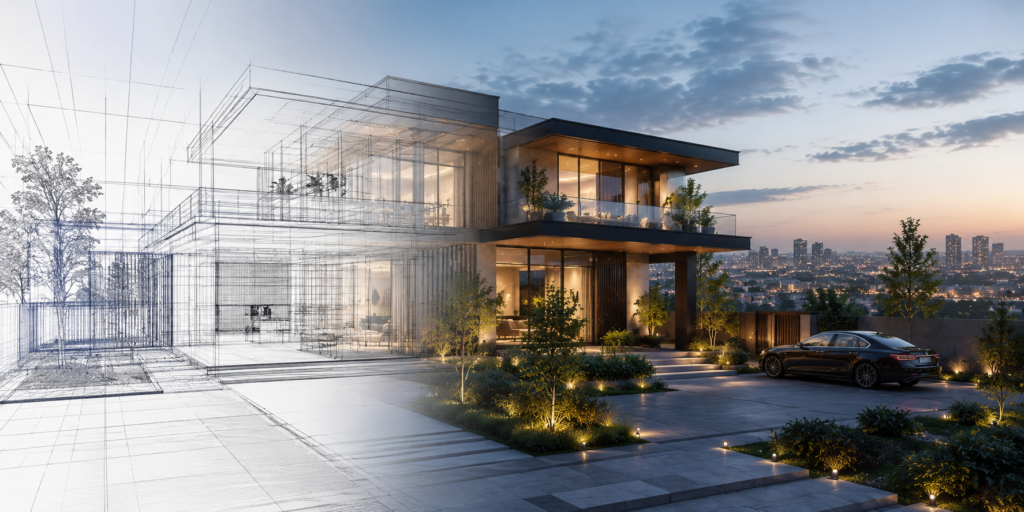
A well-produced virtual tour changes that equation entirely. Instead of interpreting a 2D layout, an overseas buyer can move through a property room by room, get a sense of proportions, and evaluate finishes and views from wherever they happen to be. This is especially valuable during the pre-construction or early-construction phase, when there’s no physical unit to walk through at all. A 3D virtual tour rendering gives buyers something concrete to evaluate long before the project reaches a stage where an in-person visit would even be possible, which shortens the gap between interest and decision considerably.
For developers, this also means the sales conversation can start much earlier. A buyer in Dubai or London doesn’t need to wait for their next trip home to seriously consider a unit, they can explore it the same evening they hear about it.
Building the Kind of Trust That Distance Usually Erodes
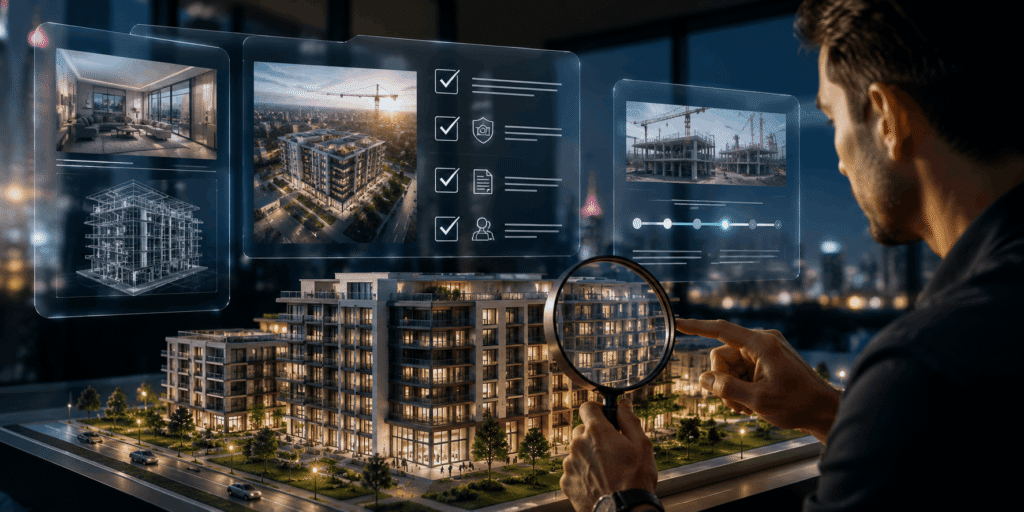
Trust is harder to build when a buyer and a developer are separated by thousands of miles and several time zones. Overseas investors are often more cautious than local buyers precisely because they can’t easily verify claims in person, and they’ve heard enough stories about delayed handovers or projects that looked nothing like their marketing materials. Detailed, accurate visualization pushes back against that hesitation by showing exactly what’s being sold, with nothing left to the imagination. This is why partnering with an experienced 3D rendering company in Pakistan has become increasingly common among developers targeting the diaspora market specifically, since the quality of the visuals often becomes the deciding factor in whether an overseas buyer feels confident enough to commit.
Beyond a Walkthrough: Making the Emotional Case for a Property
Buying property back home isn’t purely financial for most overseas Pakistanis, there’s usually an emotional pull involved too, a sense of building something permanent in a place they still consider home. This is where more cinematic, story-driven visualization has started to play a bigger role. Rather than a simple walkthrough, developers are increasingly using 3D Cinematic Walkthrough Services to present a property in a way that captures mood, lifestyle, and atmosphere, not just square footage. For a buyer scrolling through options on their phone after a long day at work overseas, that emotional connection can matter just as much as the specs sheet.
A More Convenient Buying Journey Overall
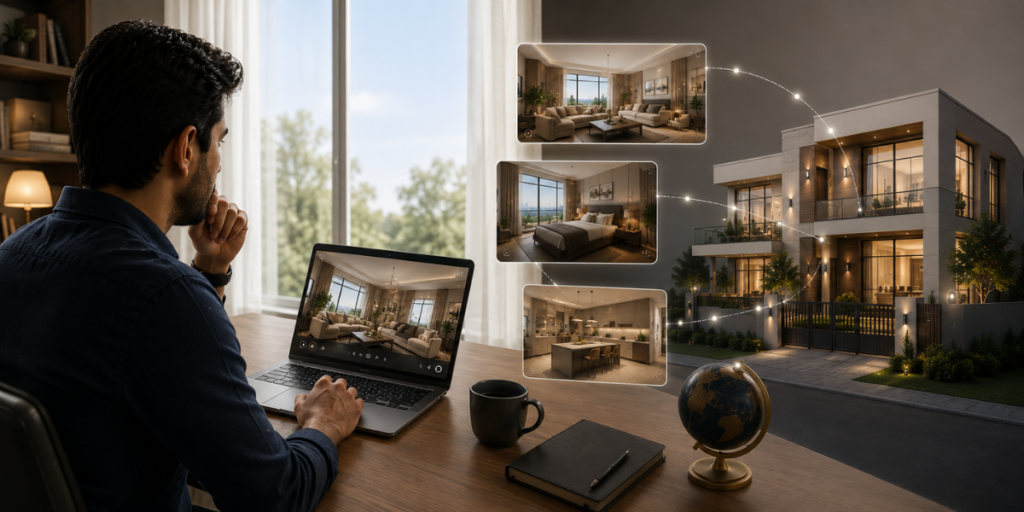
Virtual tours also fit naturally into how overseas buyers actually research and shop. Most of the process now happens on a phone or laptop screen, across time zones, often in fragmented sessions between work and family commitments. A virtual tour can be shared over a simple link, revisited multiple times, sent to a spouse or family member for a second opinion, all without needing to schedule a call or wait for a site visit. This convenience has made virtual tours less of a marketing extra and more of an expected part of how developers present projects to the diaspora audience.
It also reduces a lot of back-and-forth for sales teams, since many of the basic questions a buyer would normally ask on a call, about layout, views, or finishes, are already answered by the tour itself.
What This Means Going Forward
As more overseas Pakistanis look to invest in property back home, developers who invest early in high-quality virtual tours are likely to see a real edge over those still relying on static brochures and photos. The distance between an overseas buyer and a property in Pakistan isn’t going away, but virtual tours are steadily closing the gap between what a buyer can see and what they’re actually being asked to invest in. For a market built heavily on trust and long-distance relationships, that’s not a small shift, it’s becoming one of the most important tools developers have for reaching this audience effectively.