Picture two residential projects launching in the same city, in the same month, both offering similar unit sizes, similar pricing, and similar amenities. On paper, they’re competing head to head. But six months later, one project is sold out and the other is still running discounts to move inventory. The difference often has very little to do with the buildings themselves and everything to do with how each project was presented to buyers before a single unit was ready to show.
Launch One: The Project That Looked Ready to Sell
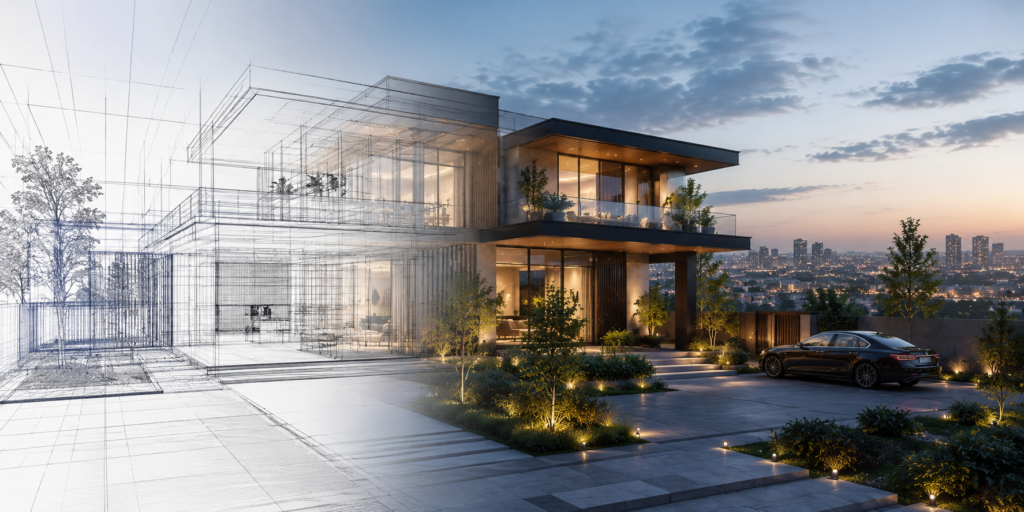
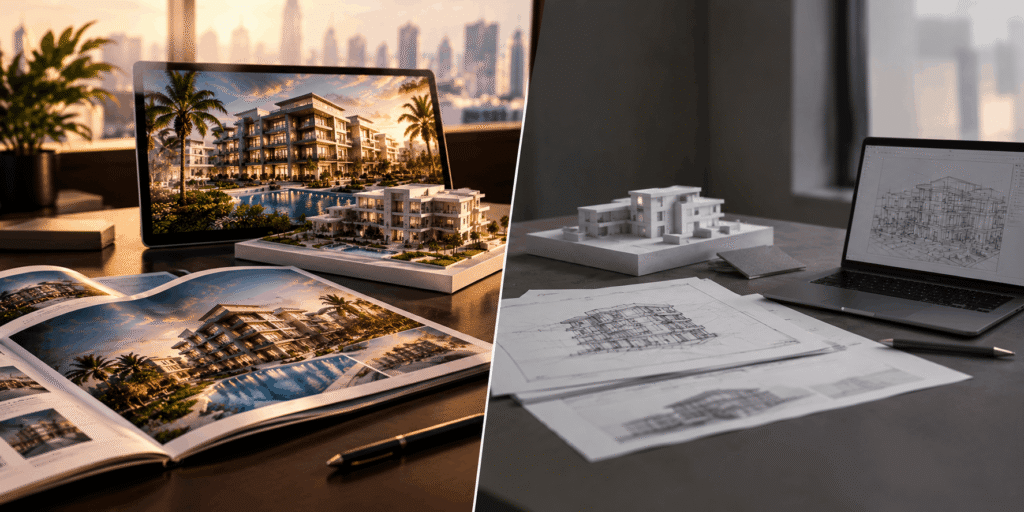
The first developer worked with a 3D architectural visualization agency from the earliest planning stages, well before marketing even began. By launch day, the project had a full set of exterior renders showing the building from multiple angles, in different lighting conditions, alongside a walkthrough that let buyers explore the lobby, amenities, and a few sample units. Every image looked considered, not rushed, and every visual answered a question a buyer would naturally have. Sales teams didn’t need to explain what a space would feel like, they could simply show it.
Buyers responded the way developers hope they will. Inquiries converted into site visits faster, and site visits converted into bookings faster still, because there was very little left to imagine. The renders had already done the convincing before the sales conversation even started.
Launch Two: The Project Buyers Had to Take on Faith
The second project, similar in almost every practical way, launched with a much thinner visual package. A handful of exterior shots, a floor plan, and not much else. No walkthrough, no detailed interior visuals, nothing that let a buyer picture themselves actually living there. On the surface, this might not seem like a major gap, but buyers noticed it immediately, even if they couldn’t always articulate why the project felt less convincing.
Sales conversations took longer because the team had to describe things buyers should have been able to see for themselves. Site visits felt more like a first introduction rather than confirmation of something the buyer already believed in. Momentum built slowly, and by the time the developer realized visuals were the missing piece, several months of prime selling season had already passed.
Where the Real Gap Showed Up
The most telling difference between the two launches wasn’t the exterior, it was how each project handled interiors. Exterior shots get a buyer’s attention, but interiors are usually what turn interest into a decision. Strong interior rendering services gave the first project’s buyers a clear sense of finishes, room proportions, and how natural light moved through each space, the kind of detail that makes a unit feel like a real home rather than a floor plan with furniture icons on it. The second project’s buyers had to fill in that picture themselves, and a lot of them simply didn’t bother trying hard enough to stay interested.
First Impressions Still Decide a Lot
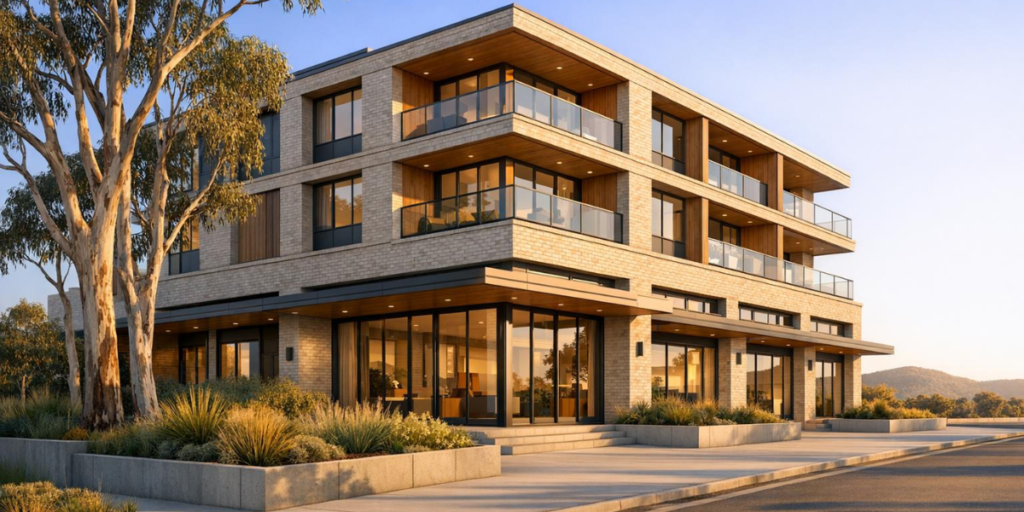
There’s also something to be said for how each project looked the very first time a buyer scrolled past it on social media or a property portal. The first project’s exterior visuals were sharp enough to stop the scroll, professional enough to feel like a serious development rather than a work in progress. Partnering with a capable exterior rendering company early on gave that project a visual identity buyers could recognize and trust before they ever clicked through for more details. The second project blended into a feed full of similar-looking listings, and blending in is rarely good for a launch.
The Real Lesson Behind Both Launches
Neither project failed or succeeded because of the actual construction quality, both were reasonably solid developments. What separated them was how clearly each one communicated its value before a buyer ever set foot on site. Visuals aren’t just decoration in a launch campaign, they’re often the deciding factor in whether a buyer takes a project seriously in the first ten seconds of seeing it.
For developers weighing whether visualization is worth prioritizing early, this comparison tends to answer the question on its own. The project with great renders didn’t just look better, it sold faster, converted more efficiently, and gave its sales team a genuine advantage from day one. The project without them spent months trying to catch up to a head start it never had.