Anyone new to property marketing eventually runs into these two terms and wonders whether they’re interchangeable or genuinely different services. They’re related, but they serve distinct purposes, and understanding the difference helps developers plan their marketing budget more effectively instead of treating rendering as a single, one-size-fits-all deliverable.
What Exterior Rendering Actually Shows
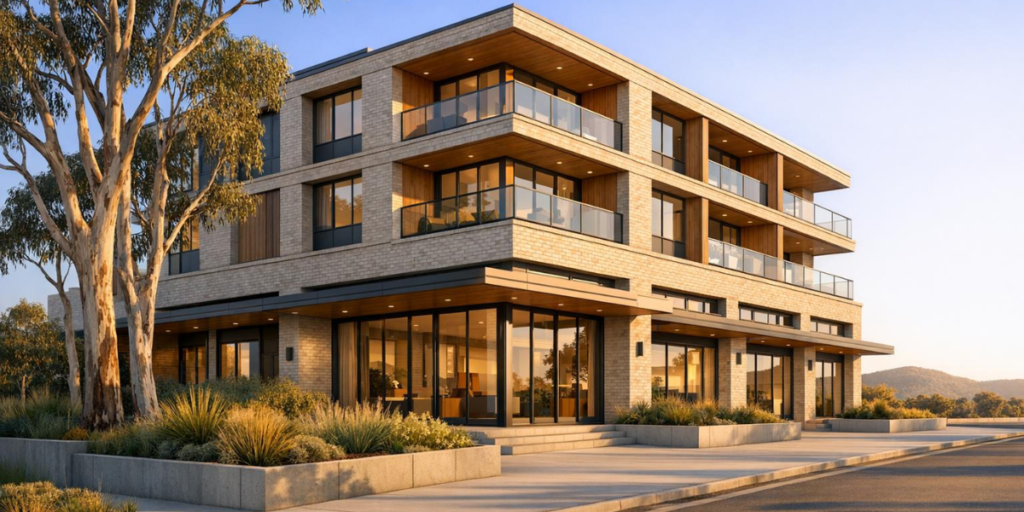
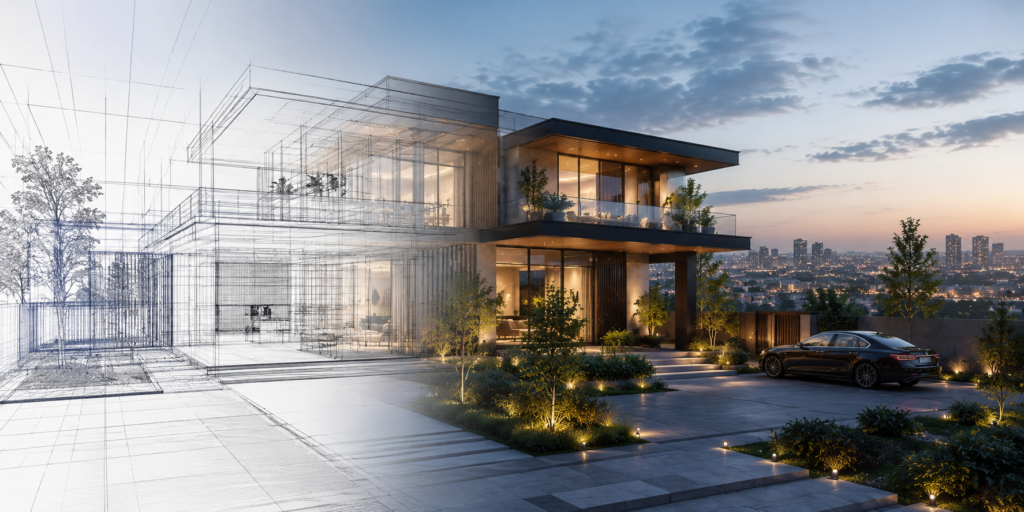
Exterior rendering focuses on how a building looks from the outside. This includes the facade, entryways, landscaping, and how the structure sits within its surroundings. It’s usually the first visual a potential buyer encounters, whether on a website banner, a social media post, or a billboard along the road. Because of that, exterior renders are built to make a strong first impression, establishing scale, design quality, and overall ambition before a buyer has even considered what’s inside.
Developers typically request exterior renders early in a project’s marketing timeline, often before interior details or unit layouts are fully finalized. A well-produced exterior render can carry an entire early-stage campaign, generating interest and inquiries long before there’s anything else to show.
What Interior Rendering Is Built For
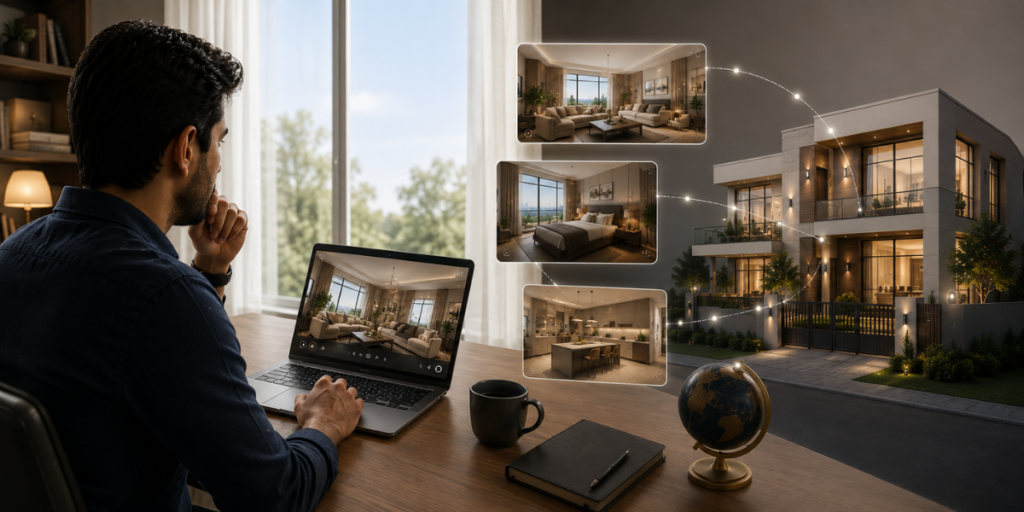
Interior rendering, on the other hand, focuses on the spaces buyers will actually live in. Kitchens, bedrooms, living rooms, bathrooms, all rendered with attention to layout, lighting, and material finishes. This level of detail is exactly what a specialized 3d interior rendering company is built to deliver, since interior work depends on a different set of skills than exterior massing and facade design. Where exterior renders sell the idea of the project, interior renders help a buyer picture their actual daily life inside it. This is where details like natural light, ceiling height, and furniture proportion become far more important than they are in an exterior shot.
Interior renders tend to matter most once a buyer has already shown interest and is moving closer to a decision. At this stage, buyers aren’t just asking whether the project looks impressive from outside, they’re asking whether they can genuinely imagine themselves living there, and interior visuals are what answer that question.
Why the Two Serve Different Stages of the Buyer Journey
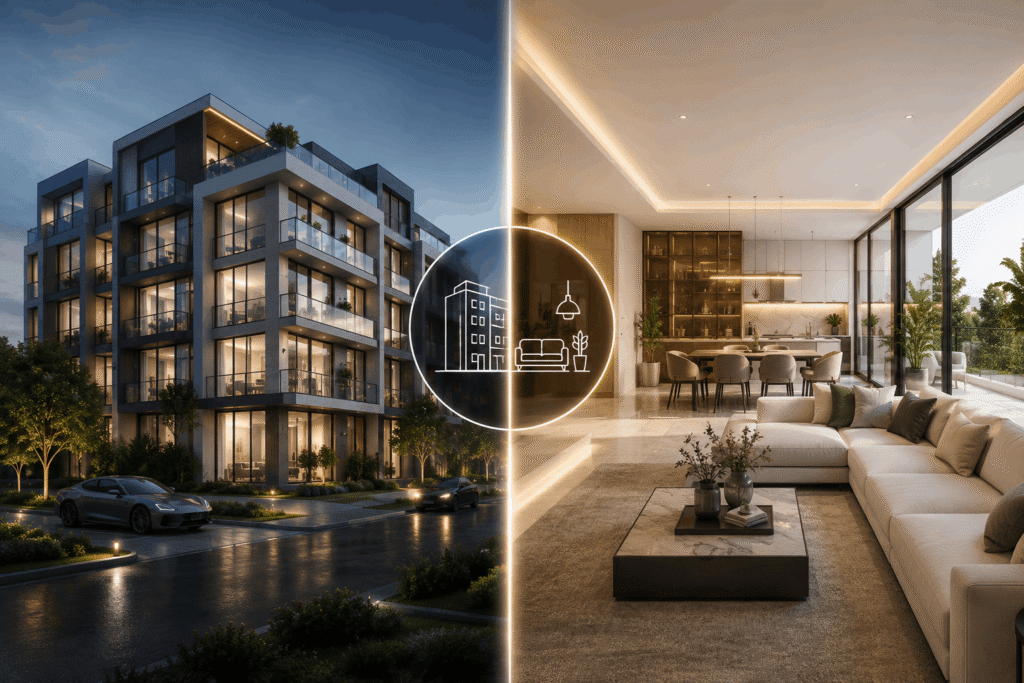
Framing this as a competition between the two misses how they actually work together. Exterior rendering generates initial interest and builds credibility for the project as a whole. Interior rendering converts that interest into a genuine emotional connection, which is often what pushes a buyer toward reserving a unit. Skipping either one leaves a gap somewhere in the marketing funnel, either buyers aren’t intrigued enough to look closer, or they lose interest once they can’t picture the actual living experience.
How Developers Typically Sequence the Two
Most successful launches don’t treat exterior and interior rendering as a single bundled task delivered all at once. Exterior visuals are usually prioritized first, since they drive early awareness campaigns and appear across the widest range of marketing channels. Interior visuals follow once unit layouts are locked in, timed to support the deeper engagement stage where serious buyers are comparing options and narrowing down their decision.
Working with a team experienced in architectural 3d rendering from the start helps keep this sequencing smooth, since exterior and interior renders produced by the same team tend to stay visually consistent with each other, avoiding the disjointed feel that can happen when different pieces are commissioned separately at different points in the timeline.
Getting the Balance Right
Budget allocation should reflect the different jobs these two formats do. Underinvesting in exteriors weakens a launch’s ability to attract attention in the first place. Underinvesting in interiors risks losing buyers right when they’re closest to making a decision. Many developers now round out this pairing with virtual walkthrough services, giving buyers a way to move through both the exterior context and the interior spaces in one continuous experience, rather than treating one as an afterthought once the other is finished.
The Bottom Line
Exterior and interior rendering aren’t competing services, they’re complementary tools that support different moments in a buyer’s decision-making process. Understanding what each one is actually meant to accomplish makes it much easier to plan a marketing campaign that works from the very first impression all the way through to a signed reservation.