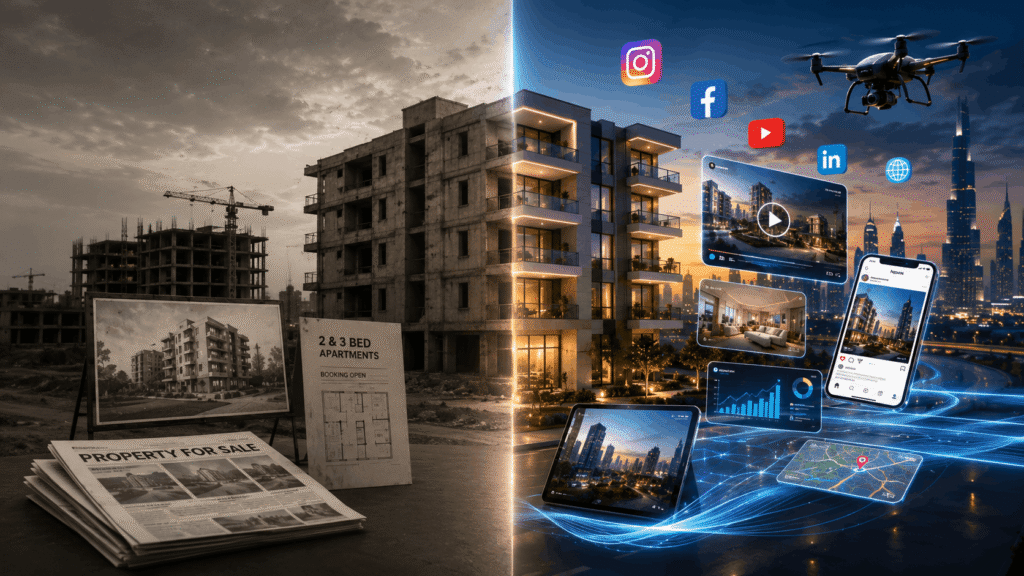
Five years ago, a property launch in Pakistan looked fairly predictable. A billboard along a main road, a few newspaper ads, maybe a stand at a local property expo, and a sales office where buyers could see printed brochures and speak to an agent in person. That approach hasn’t completely disappeared, but it’s no longer where most buyers actually form their first impression of a project. The shift has been gradual, but looking back, the changes are hard to miss.
From Print-First to Digital-First
The most obvious change is where buyers now encounter a project for the first time. It’s rarely a billboard anymore. It’s a social media post, a WhatsApp forward from a friend, or a listing on a property portal browsed late at night on a phone. This shift has forced developers to rethink where their marketing budget goes, moving away from purely physical advertising and toward a digital presence that can actually be tracked, measured, and improved over time.
Visual Expectations Have Risen Sharply
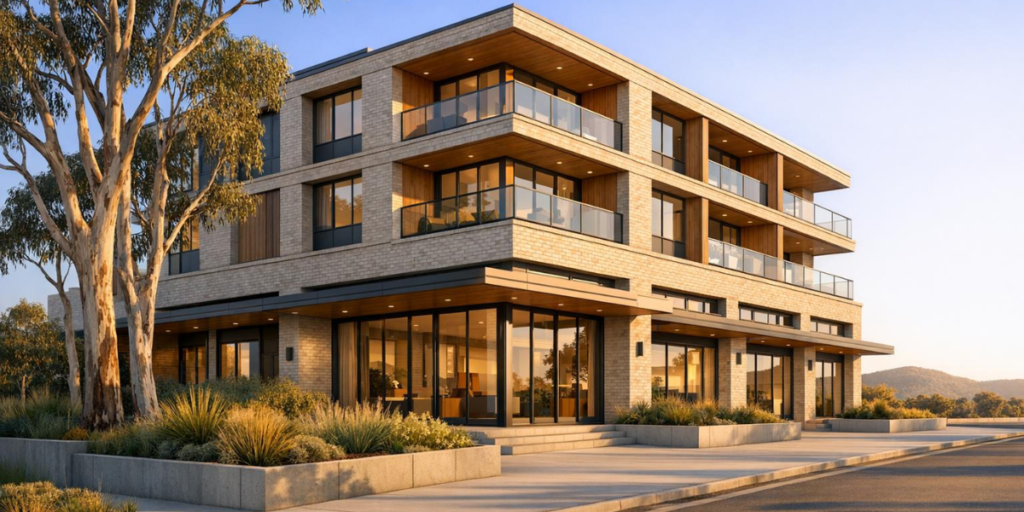
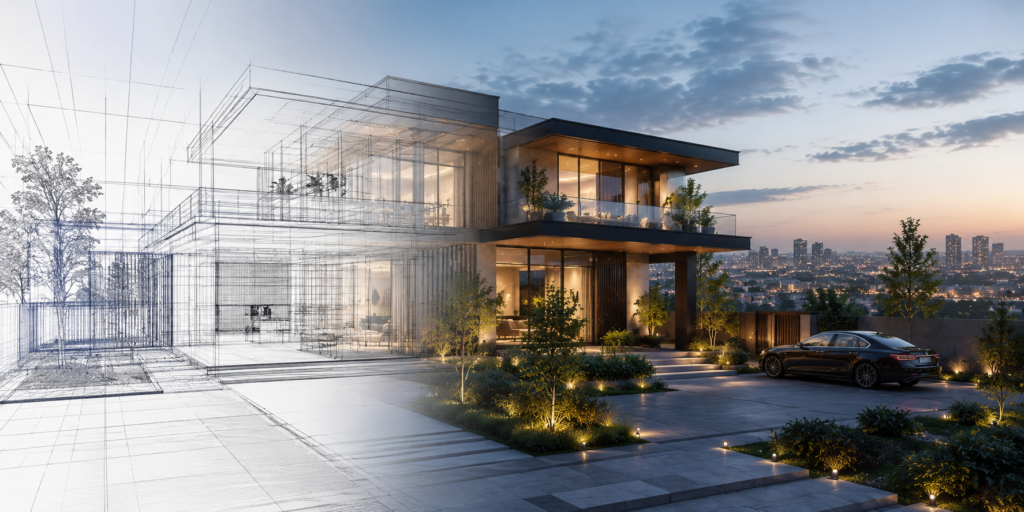
Buyers today have seen far more polished property marketing than they had five years ago, both from local developers and international projects they come across online. That exposure has raised the bar considerably. A flat, poorly composed image no longer holds attention the way it might have in the past. Developers investing in genuine architectural 3d rendering, rather than basic sketches or rushed visuals, are seeing a real difference in how seriously buyers engage with their marketing from the very first impression.
Buyers Are More Skeptical, and More Informed
Access to information has changed buyer behavior significantly. Where buyers once relied heavily on what a sales agent told them, they now research independently, compare projects across multiple developers, and look for reviews or feedback from people who’ve already purchased. This has pushed developers to be more transparent in their marketing, showing more detail and fewer vague promises, because buyers are simply harder to impress with surface-level claims than they used to be.
Video and Interactive Content Have Taken Over
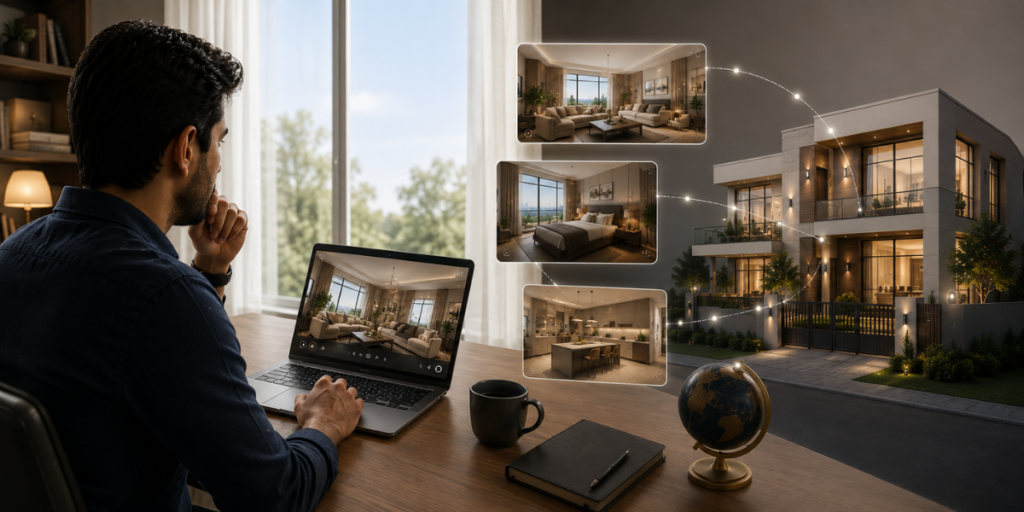
Static images used to be the default format for property marketing. That’s shifted considerably. Buyers now expect video content, walkthroughs, and interactive material that lets them explore a space rather than just look at it. Developers who’ve adapted by commissioning a real estate cinematic video walkthrough to produce this kind of content are generally seeing stronger engagement, simply because it matches how buyers now prefer to evaluate a property before ever visiting in person.
Branding Has Become a Real Differentiator
Five years ago, branding wasn’t something most developers thought about seriously beyond a basic logo. Today, in a market with far more active developers competing for the same buyer attention, a clear brand identity has become one of the ways serious projects distinguish themselves from less established competitors. Branding for real estate developers now often extends beyond a single project into shaping how a developer presents itself across every launch, building recognition that carries forward from one project to the next.
The Market Has Gotten More Competitive, and More Professional
Perhaps the broadest shift is simply how much more professional the industry has become as a whole. New developers entering Pakistan’s real estate market now face buyers who expect a level of polish and transparency that wasn’t the norm five years ago. This has raised standards across the board, pushing even established developers to keep improving how they present and market their projects rather than relying on reputation alone.
Looking Ahead
The pace of change over the last five years suggests this evolution isn’t slowing down. Buyer expectations will likely keep rising, and the developers who stay ahead of that curve, rather than reacting to it after the fact, will be the ones best positioned to capture attention in an increasingly crowded market. What was considered impressive marketing five years ago is quickly becoming the baseline, and the next five years will likely raise that bar even further.