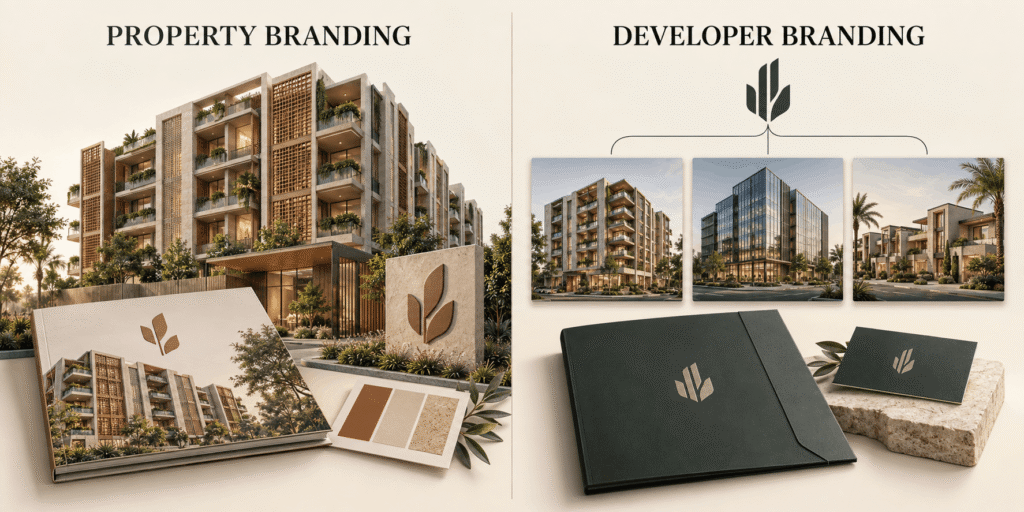
A buyer might remember the name of an apartment project without knowing who is building it. Another might recognise a developer but struggle to explain what makes its latest launch different. Both situations reveal a gap in how the business presents itself.
Property branding gives an individual development a clear identity. Developer branding establishes the identity and reputation of the company behind it.
For real estate businesses in Pakistan, understanding this distinction helps guide everything from project naming to website content. Each brand has a different job, but buyers should understand how the two connect.
What Is Property Branding?
Property branding defines how a particular development is presented and understood. It brings together the project’s audience, location, architecture, positioning, name, visual identity, and messaging.
Consider a family-oriented apartment community in Lahore. Its identity might centre on practical layouts, shared green spaces, and everyday convenience. A boutique residential tower in Karachi could focus on privacy, carefully specified interiors, and its urban setting.
A Property branding company helps translate these differences into a recognisable identity. That work should begin with the project’s actual strengths, giving the name, brochure, imagery, and sales presentation a common direction.
The essential question is straightforward: why should someone choose this development?
What Is Developer Branding?
Developer branding concerns the organisation responsible for delivering projects. It communicates what the company stands for, how it works, and what buyers can reasonably expect across its portfolio.
This identity extends beyond any single launch. It appears in the corporate website, company profile, project communications, sales experience, and customer service.
A developer might want to be known for thoughtful residential planning, clear communication, or dependable after-sales support. Those qualities need evidence: completed projects, documented processes, and consistent customer experiences.
A polished logo can make the business recognisable. Its conduct determines whether that recognition becomes trust.
How Their Roles Differ
Although property and developer branding share design tools, they operate at different levels.
| Aspect | Property branding | Developer branding |
| Main focus | One development and its offering | The company and its wider reputation |
| Core audience | Buyers, tenants, or investors suited to that project | Customers, partners, and other business stakeholders |
| Key message | What makes this place worth considering | What the organisation stands for and delivers |
| Typical materials | Project brochure, landing page, signage, and launch campaign | Corporate website, company profile, and portfolio |
| Lifespan | Can continue as the identity of the place after completion | Develops across successive projects and business relationships |
A project may introduce someone to the developer. A positive experience with that developer may then influence interest in its next launch.
How the Two Brands Can Work Together
Imagine a developer planning both a suburban villa community and a city-centre apartment building. Using identical imagery and messaging for both would overlook important differences in audience and lifestyle.
The projects can have distinct names, colours, and visual styles while sharing a clear developer endorsement. A consistent “Developed by” placement, corporate introduction, and approach to factual information can establish that relationship.
Decide early how prominently the developer should appear. An established company may benefit from a visible endorsement, while a project with several partners needs particularly clear attribution.
The goal is to help buyers recognise the connection without confusing the company’s identity with the project’s specific offer.
Where Architectural Visuals Fit In
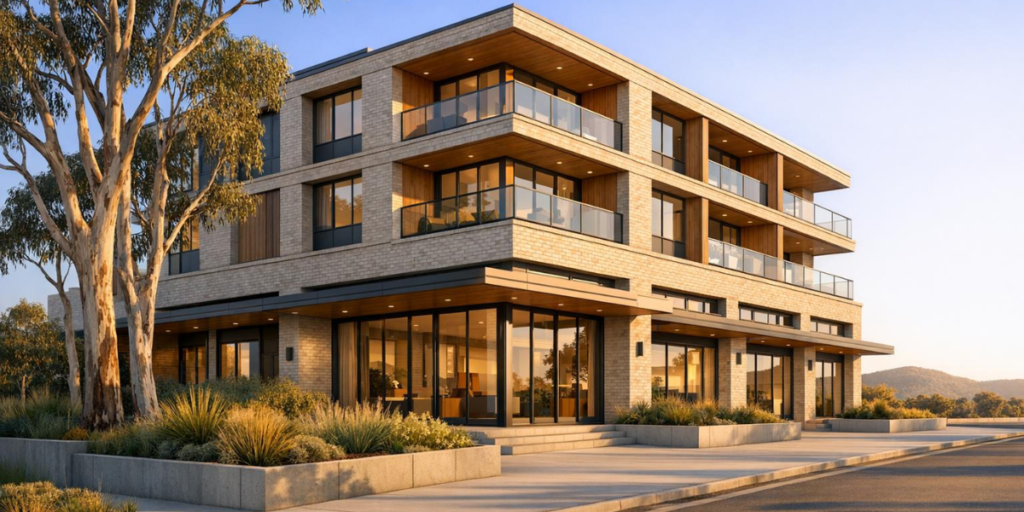
Visuals make a property’s positioning easier to understand. If a development promises family-friendly living, its imagery should explain usable rooms, outdoor spaces, and circulation. Generic luxury styling may contribute little to that message.
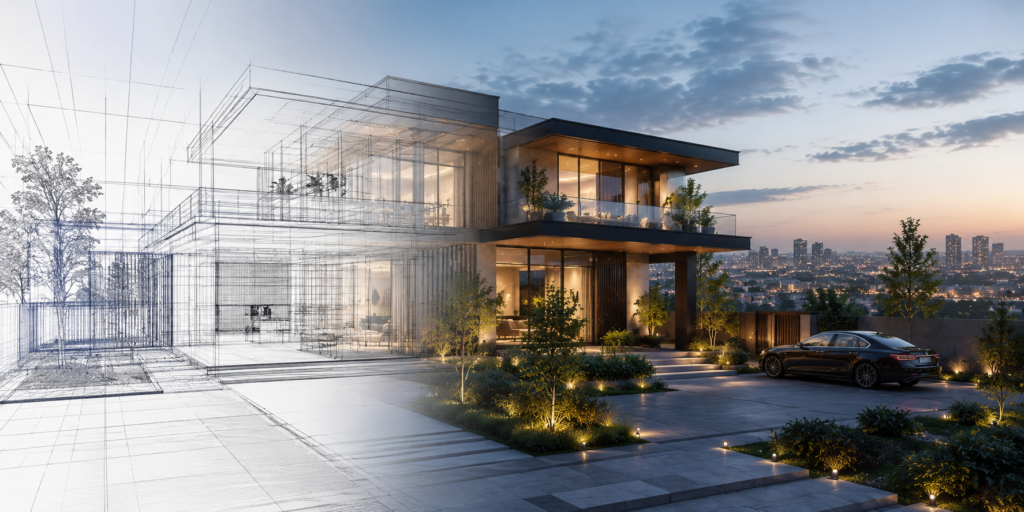
Residential 3D visualization services can turn architectural plans into images that support the project’s identity. The choice of views, furniture, landscaping, and lighting should follow the intended audience while remaining faithful to the design.
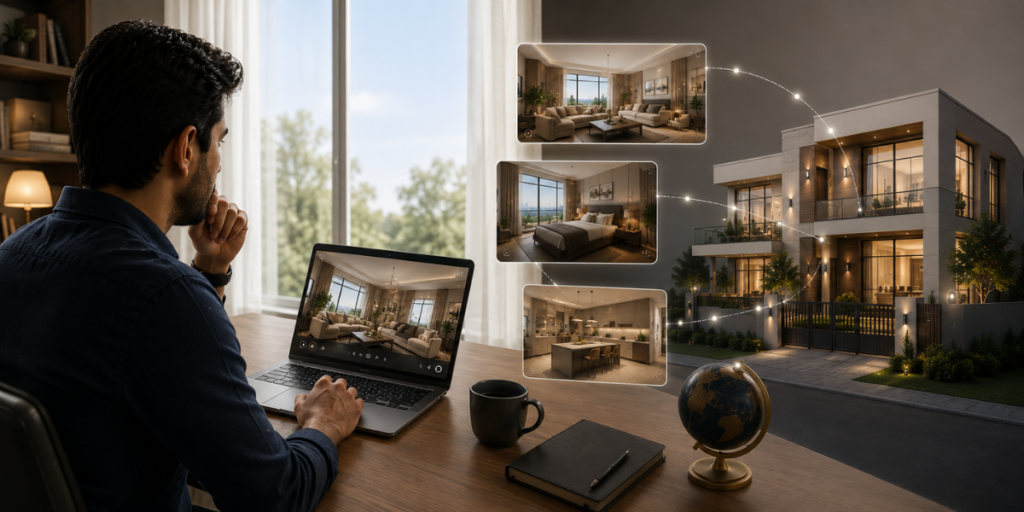
Motion provides another way to develop that story. 3D Cinematic Walkthrough Services can guide viewers through arrival, shared amenities, and private spaces in a deliberate sequence. Project branding can shape the presentation, while the developer’s identity provides a consistent closing endorsement.
Common Branding Mistakes to Avoid
One frequent mistake is treating branding as a logo exercise. Attractive artwork cannot explain an unclear offering or supply evidence for an unsupported claim.
Another is allowing every project to appear completely unrelated. Buyers may never realise that a company whose work they appreciate is behind another development.
The opposite problem also occurs: every launch looks interchangeable, despite serving different buyers.
Before approving creative work, agree on three points:
- What the developer consistently stands for.
- What makes this particular property distinctive.
- How that relationship will appear across marketing materials.
Give Each Brand a Clear Role
A property needs a compelling identity of its own, supported by a credible organisation. Pixarch helps connect branding, architectural imagery, and presentation materials so developers can communicate both clearly. Start with the company’s strengths and the project’s specific appeal, then build the creative work around them.